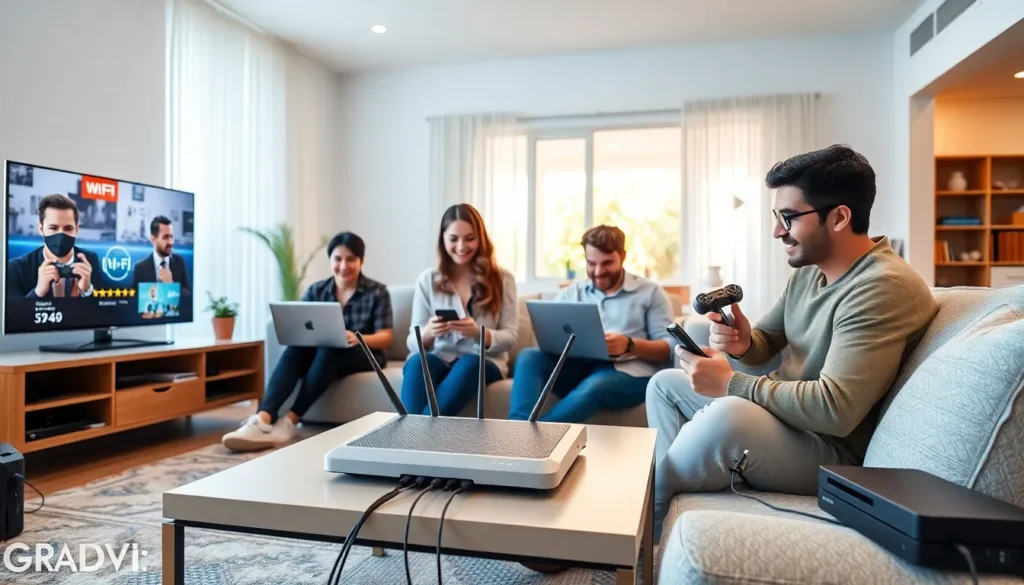
In today’s hyper-connected world, setting up your own network might sound like a daunting task. But fear not! With a little guidance and a sprinkle of patience, anyone can create a DIY network that’s as powerful as a superhero in a cape. Imagine streaming your favorite shows without buffering or finally being able to browse cat memes on every device in the house without a hitch.
Overview of DIY Network Setup
Establishing a DIY network provides several advantages, including improved control, customization, and cost savings. Individuals seek a setup that meets specific needs, allowing for seamless streaming, browsing, and gaming across devices.
Planning plays a crucial role in the process. A user must evaluate the space that requires coverage and identify device locations. This information aids in determining the type of equipment necessary for the installation.
Choosing the right equipment ensures optimal performance. Essential components include a modem, router, and network cables. Users benefit from selecting high-quality devices that support their desired speed and range, especially if they have multiple devices connected.
Installation typically involves connecting the modem to the router using an Ethernet cable. Configuring settings through a web interface enables the customization of network names and passwords. Securing the network with WPA3 encryption protects against unauthorized access.
Testing connectivity and performance is vital once the setup is complete. A user can use speed test tools to check the internet speed and ensure every connected device works properly. Regular updates to firmware enhance security and improve functionality.
Troubleshooting network issues can arise at times. Common problems may include connection drops or slow speeds. He or she can consult troubleshooting guides specific to their router model to resolve these issues efficiently.
Repurposing older hardware can also enhance the DIY network. Wi-Fi extenders or second routers may help expand coverage in larger spaces. Utilizing these tools maximizes existing resources while improving overall connectivity.
Essential Tools for DIY Network Setup

Setting up a DIY network requires specific tools to ensure a smooth process. Having the right equipment and software simplifies network configuration.
Networking Hardware
Key components include a modem and a router, essential for internet connectivity and signal distribution. Network cables, such as Ethernet cables, facilitate reliable wired connections between devices. Wi-Fi extenders enhance coverage in larger spaces by amplifying the signal. Additional items like switches allow for more Ethernet ports, accommodating numerous devices effectively. A power adapter ensures devices remain powered, supporting multiple active connections. Properly selecting and connecting these components maximizes performance, providing a stable network for seamless streaming and gaming.
Software Requirements
Essential software includes network management tools for monitoring and configuring settings. A web browser is necessary for accessing the router’s configuration interface. Security software enhances protection against cyber threats, ensuring network safety. Updating firmware for the modem and router keeps devices secure and optimized for performance. Tools for speed testing help troubleshoot connectivity issues efficiently. Utilizing these software solutions enhances user experience, ensuring a robust and reliable network setup.
Step-by-Step Guide to DIY Network Setup
Creating a reliable DIY network setup involves careful planning and execution. Readers will find value in structured steps that guide them through the process effectively.
Planning Your Network Layout
Assessing coverage areas is crucial. Identify where devices will connect to the network, focusing on high-demand zones like living rooms or home offices. Layout designs can include central locations for routers, promoting even signal distribution. Users often sketch floor plans to visualize placements. Expect to consider obstacles, such as walls or appliances, that might weaken signals. Keeping future expansion in mind often leads to better decisions, ensuring space for additional devices or equipment.
Configuring Your Router and Switches
Accessing the router’s settings typically requires opening a web browser. Users enter the router’s IP address to log in, using default credentials or personalized ones if set. Configuration should prioritize security; enabling WPA3 is essential for protecting against unauthorized access. After that, setting up a proper SSID ensures devices connect smoothly. Switches expand a network’s capacity, connecting additional wired devices effectively. Assigning static IPs or DHCP allocation can simplify device management, making it easier to keep track of connected devices.
Connecting Devices
Connecting devices involves both wired and wireless methods. For wired connections, running Ethernet cables from the router to devices like computers or gaming consoles improves stability and speed. Wireless devices, such as smartphones or tablets, simply require selecting the network and entering the password. Users benefit from testing connections one by one to identify potential issues. Verifying connectivity and performance helps ensure a seamless experience for streaming, browsing, and gaming across all devices. Prioritizing connection integrity lays the foundation for a robust network setup.
Common Challenges and Troubleshooting Tips
DIY network setups may encounter various challenges. Knowing how to address these issues ensures a smooth experience.
Connectivity Issues
Connectivity issues often arise due to incorrect configurations or hardware problems. Checking cable connections is essential; loose wires can disrupt signals. Verifying the modem and router settings helps identify misconfigurations. Users should restart their devices to clear any temporary glitches. Inspecting the Wi-Fi range is important, as physical barriers may weaken the signal. Combining all these checks can restore connectivity and improve network stability.
Performance Problems
Performance problems can manifest as slow internet speeds or lagging connections. Testing internet speed with reliable tools clarifies whether speeds meet expectations. Upgrading firmware often resolves compatibility or functionality issues. Distributing bandwidth effectively among devices plays a crucial role in overall performance. Reducing the number of devices connected at once can alleviate pressure on the network. Configuring Quality of Service (QoS) settings allows prioritization of critical devices or applications, enhancing the overall experience.
Creating a DIY network setup empowers individuals to take control of their online experience. With careful planning and the right equipment, anyone can achieve seamless connectivity tailored to their specific needs.
By following the outlined steps and utilizing essential tools, users can build a reliable network that supports streaming, gaming, and browsing without interruptions. Troubleshooting and optimizing the network further enhances performance, ensuring a smooth experience across multiple devices.
Embracing this DIY approach not only saves costs but also fosters a deeper understanding of personal networking. With patience and practice, anyone can master their own network setup, paving the way for a connected and efficient digital life.