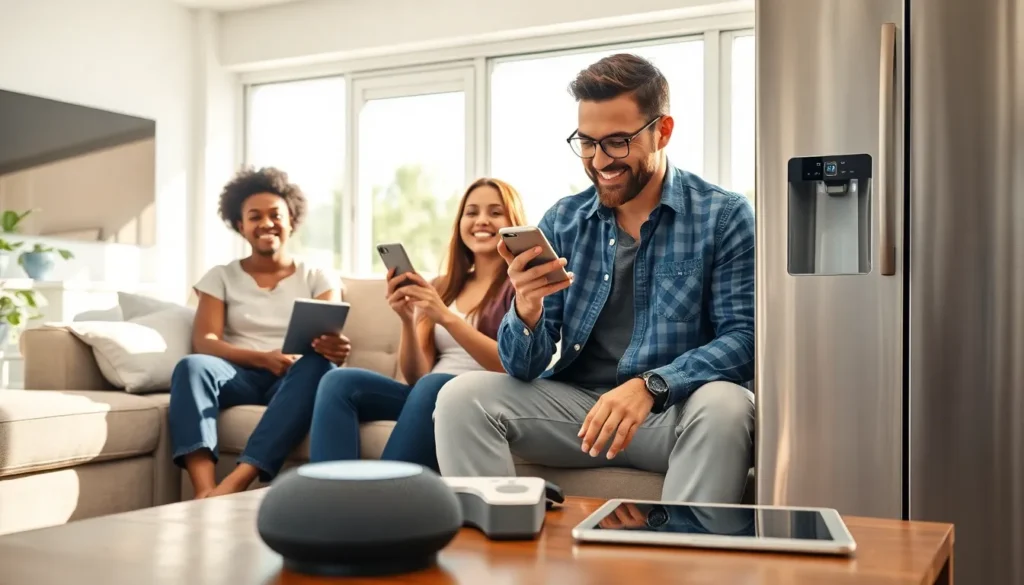

In a world where the latest gadgets seem to drop faster than a hot potato, consumer electronics have become the shiny toys everyone wants to get their hands on. From smartphones that practically run your life to smart fridges that know when you’re out of milk, there’s no denying that these devices have revolutionized how people live, work, and play. It’s like having a personal assistant, a chef, and a DJ all rolled into one—who wouldn’t want that?
Overview of Consumer Electronics
Consumer electronics encompass a vast range of devices designed for everyday use, catering to entertainment, communication, and productivity. Categories include smartphones, tablets, wearable technology, laptops, smart TVs, and home appliances. New technologies emerge continually, driving innovation and enhancing user experience.
Smartphones serve as the centerpiece of modern consumer electronics. They combine functionalities such as communication, photography, web browsing, and social media access into a single device. Tablets offer similar capabilities but cater to users seeking larger screens for tasks like reading and gaming.
Wearable technology, including fitness trackers and smartwatches, tracks health metrics and promotes an active lifestyle. These gadgets enable users to monitor heart rates, steps taken, and sleep patterns, enhancing personal wellness. Smart TVs provide access to streaming services and apps, transforming how people consume media.
Home appliances are also evolving with smart technology. Devices like smart refrigerators, ovens, and security systems connect to the internet, offering convenience and control. Automation features allow users to manage home environments remotely, improving energy efficiency and security.
The market for consumer electronics demonstrates significant growth, driven by consumer demand for innovative and interconnected products. In 2022, global consumer electronics market revenue reached $1.1 trillion, with expectations to expand further. Competition among manufacturers fuels advancements and lowers costs, resulting in wider access to technology.
Brands invest in research and development to enhance product features and sustainability. Consumer interest drives changes in design, functionality, and software integration, leading to more intuitive and user-friendly experiences. Overall, consumer electronics play a crucial role in modern life, shaping how individuals interact with technology daily.
Categories of Consumer Electronics
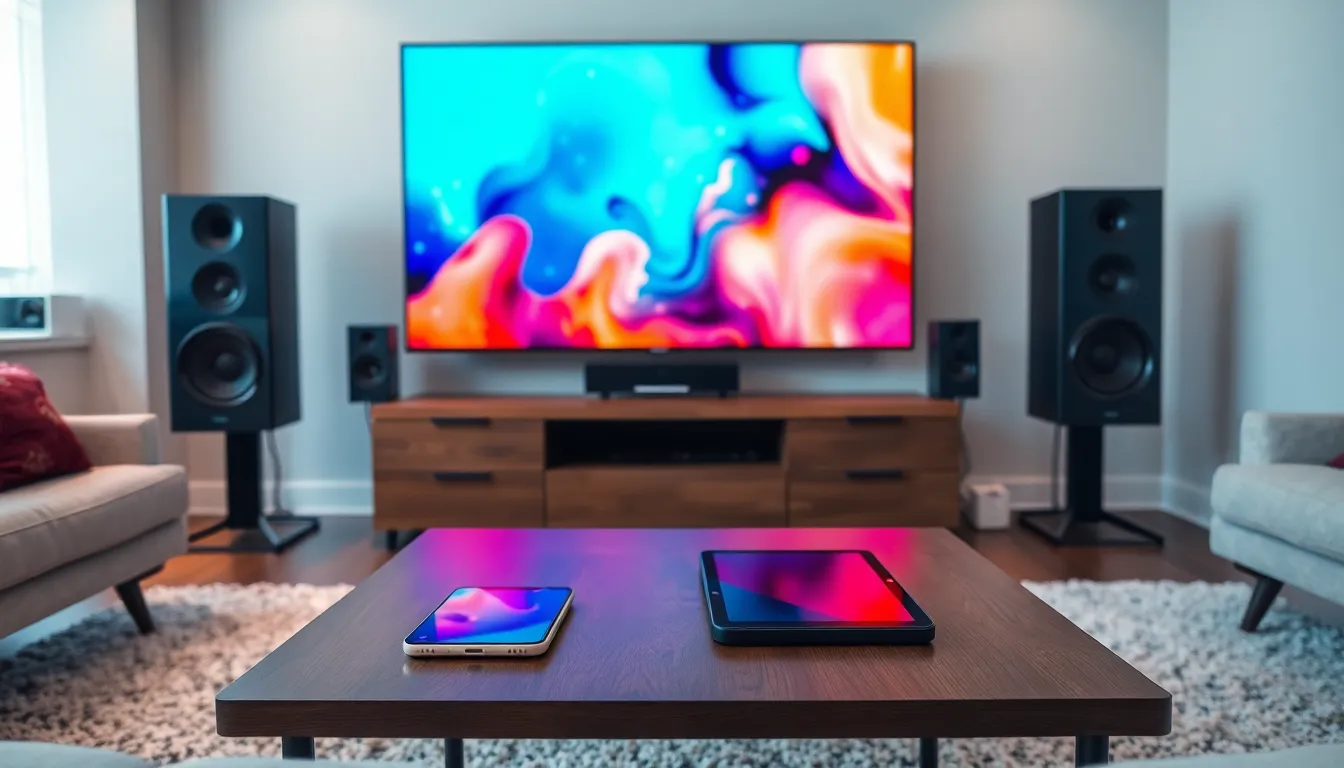
Consumer electronics encompass various devices, each serving distinct functions in daily life. These categories include audio and video devices, smartphones and tablets, and home appliances.
Audio and Video Devices
Audio and video devices enhance entertainment experiences. Televisions offer high-definition displays with smart capabilities, integrating streaming applications for easy access to content. Sound systems provide immersive audio quality through advanced technology, including wireless speakers and soundbars. Home theater systems create cinematic experiences, employing multiple speakers to enrich sound. Emerging technologies, such as 8K televisions, offer superior resolution for detailed visuals. Streaming devices connect directly to TVs, allowing users to browse vast libraries of movies and shows seamlessly.
Smartphones and Tablets
Smartphones and tablets serve as essential tools for communication and productivity. Smartphones enable voice calls, text messaging, and access to social media platforms, often featuring advanced cameras for photography. Tablets cater to users seeking larger screens for activities like reading, gaming, and graphic design. Many tablets support stylus input, enhancing precision for creative tasks. Both devices allow seamless connectivity to the internet, facilitating email and video conferencing. The integration of artificial intelligence enhances user experience, offering personalized assistance and recommendations.
Home Appliances
Home appliances have evolved into smart technology, improving efficiency and convenience. Refrigerators now feature smart screens, inventory tracking, and connectivity with smartphones, allowing users to manage groceries remotely. Washing machines offer programmable cycles, saving time and water usage. Smart ovens simplify cooking with features like recipe suggestions and auto-adjustment of cooking times. Home automation systems allow users to control appliances via mobile devices or voice commands, promoting energy efficiency. Overall, these innovations in home appliances make everyday tasks easier and more effective.
Emerging Trends in Consumer Electronics
Consumer electronics are evolving rapidly, reflecting innovations that enhance user experiences. Significant trends include smart technology integration and sustainability efforts.
Smart Technology Integration
Smart technology integration revolutionizes how individuals interact with their devices. Devices now connect seamlessly through the Internet of Things, enabling remote management and automation for everyday tasks. For instance, smart refrigerators facilitate grocery tracking and meal planning directly from a smartphone. Smart thermostats adjust temperature settings based on user preferences, ensuring energy efficiency while maximizing comfort. Wearable technology, such as smartwatches, provides real-time health metrics for proactive wellness management. Users experience personalized assistance through AI features incorporated in smartphones and smart home assistants. This trend grows, making everyday life more efficient and connected.
Sustainability in Consumer Electronics
Sustainability in consumer electronics gains heightened importance as awareness of environmental issues increases. Manufacturers focus on eco-friendly materials and energy-efficient designs, significantly reducing the carbon footprint of products. For example, companies prioritize recyclable packaging and components in smartphones and tablets. Innovations like modular devices allow for easy repairs, prolonging product life and reducing waste. Brands invest in sustainable sourcing practices, ensuring responsible ingredient procurement for electronic components. Many consumers seek energy-efficient appliances, which lowers utility bills while benefiting the environment. This trend fosters a more sustainable future, promoting responsible consumption in the electronics market.
Major Brands in Consumer Electronics
Consumer electronics features a competitive landscape filled with prominent brands driving innovation and quality.
Market Leaders
Samsung reigns as a global leader in consumer electronics, known for cutting-edge smartphones, televisions, and appliances. Apple follows closely, with its ecosystem of devices like the iPhone and MacBook, emphasizing premium design and user experience. Sony captures attention through high-quality audio and video products, including PlayStation gaming consoles. LG stands out for innovative home appliances and OLED TV technology. Lastly, Xiaomi appeals to cost-conscious consumers with smartphones and smart home devices that deliver value and functionality.
Innovative Startups
Several innovative startups are disrupting the consumer electronics space. Anker excels in portable power solutions like chargers and battery packs, enhancing mobile device usability. Ring has transformed home security with smart doorbells and cameras, creating a connected home environment. Eero focuses on home Wi-Fi solutions, ensuring seamless internet connectivity throughout residences. Additionally, Wyze offers affordable smart home gadgets, emphasizing user accessibility. These startups continuously push boundaries, fostering advancements that meet evolving consumer demands.
The landscape of consumer electronics is continuously evolving and shaping everyday life in profound ways. As technology becomes more integrated into daily routines the importance of innovation and sustainability cannot be overstated. From smartphones to smart appliances these devices not only enhance convenience but also promote a more efficient lifestyle.
With increasing competition among established brands and emerging startups the future of consumer electronics looks promising. Consumers can expect even more advanced features and eco-friendly options that cater to their needs. This shift towards smarter and more sustainable technology is set to redefine how individuals interact with their devices and the world around them.