

In a world where smartphones reign supreme, it’s hard to imagine life without these pocket-sized powerhouses. They’re not just for scrolling through social media or taking selfies; they’ve become essential tools for communication, navigation, and even managing finances. With a smartphone in hand, one can conquer the day—or at least try to remember where they parked.
But let’s be honest, smartphones aren’t just smart—they’re also a bit sassy. They know your favorite coffee order before you do and can even remind you to hydrate (because who needs a personal trainer when you have an app?). As technology evolves, these devices are becoming more than just gadgets; they’re companions that keep us connected, entertained, and occasionally, mildly frustrated. Dive into the fascinating world of smartphones and discover how they’ve transformed our daily lives in ways we never saw coming.
Overview of Smartphones
Smartphones integrate essential functions and features into a single device. These devices combine communication tools, internet access, and multimedia capabilities. Users leverage smartphones for messaging, social media, and video calls, enhancing connectivity. Navigation through GPS and mapping applications simplifies traveling, making it more efficient.
Smartphones include several operating systems, namely Android and iOS. Each system offers unique interfaces and applications tailored to user preferences. Additionally, various smartphone brands produce multiple models, providing consumers with choices in terms of performance, design, and price.
Battery life plays a crucial role in the user experience. Most modern smartphones offer batteries lasting up to 24 hours under typical usage. Cameras also represent a significant advancement, with many smartphones featuring multiple lenses and high-resolution sensors.
Security features ensure user data remains protected. Biometric methods, like fingerprint scanners and facial recognition, enhance device security. Smartphones also support various apps that assist with financial management, including mobile banking and budgeting tools.
The app ecosystem continues expanding, with millions of applications available for download. These applications range from productivity tools to games, catering to diverse interests and needs. In summary, smartphones serve as fundamental tools for daily living, facilitating communication, navigation, and entertainment.
Key Features of Modern Smartphones
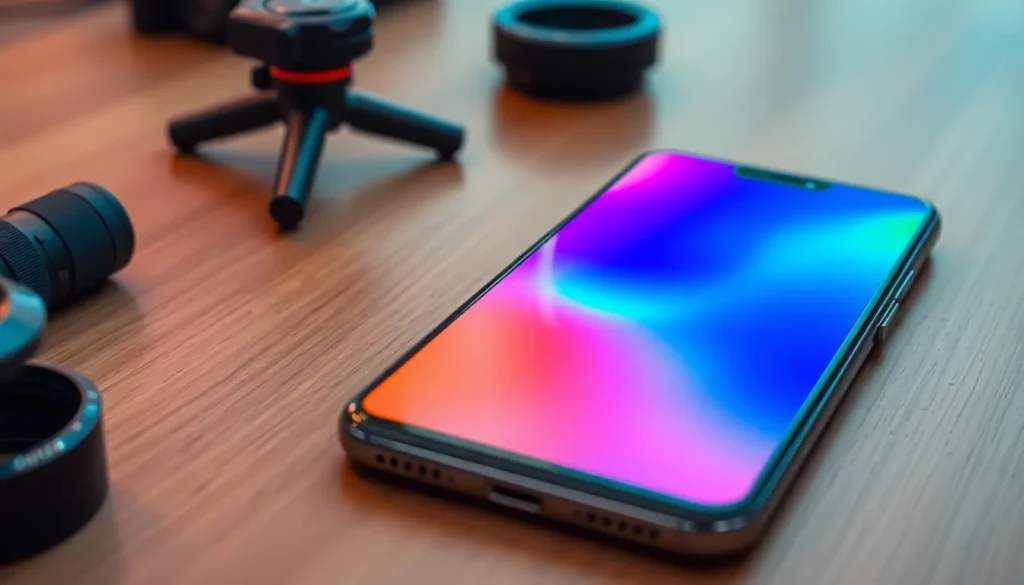
Modern smartphones incorporate various advanced features that enhance user experience. Critical aspects include display technology, camera innovations, and battery life.
Display Technology
Display technology significantly influences user interaction. AMOLED and LCD screens provide vibrant visuals, improving media consumption. Many devices boast resolutions reaching 4K, ensuring sharp images and clarity. Refresh rates of 120Hz enhance smoothness, particularly during gaming and scrolling. Additionally, edge-to-edge designs maximize screen real estate, offering an immersive experience.
Camera Innovations
Camera innovations drive smartphone popularity. Devices feature multi-lens systems, enabling versatile photography. Many cameras now include ultra-wide and telephoto lenses, catering to various shooting scenarios. Night mode technology improves low-light performance, producing clearer images. Furthermore, AI enhancements optimize image processing, ensuring professional-quality results with minimal effort.
Battery Life & Performance
Battery life and performance are crucial for seamless operation. Many smartphones now offer batteries lasting up to 48 hours under typical usage. Fast charging technology minimizes downtime, enabling users to recharge quickly. Additionally, efficient processors improve multitasking, allowing users to run multiple applications simultaneously without lag. Optimized software ensures smooth performance, enhancing everyday productivity.
Popular Smartphone Brands
Many smartphone brands stand out due to their innovation and market influence. Understanding these brands reveals their unique offerings in the smartphone landscape.
Apple
Apple remains a leader in the smartphone market. Known for its iPhone series, Apple combines premium design with advanced technology. Users appreciate the seamless integration of hardware and software across devices. The iOS operating system provides a user-friendly experience while ensuring security through features like Face ID. Regular software updates keep devices secure and up to date. Each iPhone model typically supports the latest apps, ensuring an extensive ecosystem. Additionally, Apple’s focus on camera quality and performance appeals to photography enthusiasts.
Samsung
Samsung holds a significant share of the global smartphone market. The Galaxy series showcases a variety of devices catering to different price ranges and user needs. Each smartphone often features cutting-edge AMOLED displays that enhance visual experiences. Users often choose Samsung for its versatile camera systems with multiple lenses, offering excellent photography capabilities. The Android operating system allows customization, appealing to tech-savvy individuals. Fast charging and long battery life are highlights of many Samsung models, improving daily usability. Samsung’s commitment to innovation keeps it competitive in the tech landscape.
Google has made its mark with the Pixel smartphone line. Renowned for superior camera performance, Pixel devices excel in photography, especially in low-light settings. The stock Android experience offers a clean and simple interface. Updates are timely, ensuring users enjoy the latest features and security enhancements. Additionally, Google Assistant provides seamless integration for everyday tasks. Unique features like Visual Core enhance image processing, solidifying Google’s position in mobile photography. Google’s focus on artificial intelligence sets its devices apart, with features that learn user preferences over time.
The Impact of Smartphones on Daily Life
Smartphones greatly influence daily routines, enhancing various aspects of life.
Communication
Instant connectivity defines the way people interact. Smartphones enable voice and video calls, providing real-time support and engagement. Text messaging and emails make it convenient to share information quickly. Social apps connect users across the globe, bridging distances and facilitating easy communication. These devices offer multiple platforms for collaboration, ensuring teams can stay connected regardless of location. Notifications help individuals remain informed about important conversations, allowing for timely responses.
Productivity
Smartphones boost productivity through numerous applications. To-do lists and calendar apps organize tasks efficiently, helping users manage their schedules effectively. Cloud storage solutions like Google Drive and Dropbox enhance access to documents on-the-go. This functionality enables flexibility in completing work from virtually anywhere. Note-taking apps streamline information capture during meetings or lectures. Consequently, smartphones serve as portable offices, allowing users to balance personal and professional responsibilities seamlessly.
Social Media
Social media thrives on smartphones, shaping the way people share experiences. Users post updates and photos with just a few taps, fostering community engagement. Platforms like Instagram and Twitter allow instant interaction, keeping individuals connected with friends and trends. The ability to follow influencers and brands creates a dynamic environment for discovery and networking. Overall, smartphones enhance the experience of social networking, providing constant access to a vast universe of content.
Future Trends in Smartphones
Emerging trends are transforming the smartphone landscape. Innovations foster enhanced user experiences and redefine device functionalities.
Advancements in AI
Artificial intelligence is shaping smartphone capabilities. Voice assistants are becoming more intuitive, learning user preferences and habits. Machine learning algorithms drive personalized experiences across applications. Image processing benefits from AI, improving photo quality and enabling features like portrait mode. Predictive text and smart replies streamline communication, making interactions faster. With ongoing developments, AI will play a critical role in app recommendations and system optimizations.
Foldable and Wearable Technologies
Foldable smartphones are gaining popularity, offering versatility and compactness. Users enjoy larger screens that fold into pocket-sized devices, enhancing portability. Durability remains a concern, but manufacturers are developing robust designs like bendable OLED displays. Meanwhile, wearable technology complements smartphones. Smartwatches provide health tracking and notifications, creating seamless integrations. As both trends advance, users can expect multifunctional devices that merge smartphone and wearable experiences.
Smartphones have fundamentally transformed how people interact with the world around them. As multifunctional devices they not only facilitate communication and productivity but also enhance creativity and entertainment. With ongoing innovations in technology users can expect even more advanced features and capabilities in the future.
The integration of artificial intelligence and emerging designs like foldable smartphones promises to redefine user experiences. As smartphones continue to evolve they’ll remain indispensable tools that cater to diverse needs and preferences. Embracing these advancements will empower individuals to navigate their daily lives more effectively while staying connected to the ever-changing digital landscape.